
Menopause is not just the end of periods. The few years either side of your final period are when women lose bone fastest, when fat gain speeds up and shifts towards the belly, and when muscle starts to slip away. The good news: these changes are measurable, and the right steps taken early make a real difference to how strong, mobile and independent you are in your 60s, 70s and beyond — your healthspan, not just your lifespan.
This guide covers what actually changes, the essential things to do before and after menopause, what to watch out for, and the three tests that tell you exactly where you stand: a DEXA bone density scan, a DEXA body composition scan and a VO₂max test.
Book online: DEXA bone density scan · DEXA body composition scan · VO₂max test · combined VO₂max test and DEXA scan
What actually changes around menopause
The biggest changes are packed into roughly three years: from about a year before your final period to two years after it. The largest long-term study of women through menopause, the US Study of Women's Health Across the Nation (SWAN), measured these changes with DEXA year after year.
Bone density falls fastest. In SWAN, women lost about 10.6% of their lumbar spine bone density over 10 years, and 7.4% of that was lost in the three years around the final period. During that window the spine loses around 2 to 2.5% a year. Faster midlife bone loss also predicts later fractures, whatever your starting bone density.
Fat gain speeds up and muscle declines. In the same cohort, the rate of fat gain doubled at the start of the menopause transition, and lean mass started to fall. This continued until about two years after the final period. Scales often barely move, so the change goes unnoticed: weight stays similar while muscle is swapped for fat.
Fat moves to the belly. As oestrogen falls, more fat is stored as visceral fat, deep around the organs. Visceral fat is the type most closely linked with insulin resistance, type 2 diabetes, fatty liver and heart disease. You can't see or pinch it, and a tape measure only estimates it. A DEXA scan measures it.
Fitness slides. VO₂max, the most oxygen your body can use during exercise, declines with age and with the loss of muscle. Cardiorespiratory fitness is one of the strongest predictors of how long, and how well, people live. Low VO₂max also makes everyday activity harder, so people do less, and the decline speeds up.
None of this is inevitable. Bone, muscle, visceral fat and VO₂max all respond to the right training, nutrition and medical care, and all four can be measured accurately.
Before menopause: the essential steps (perimenopause, usually your 40s)
The best time to act is before the rapid-loss window opens. Every bit of bone and muscle you hold onto now is a buffer for later.
Get a baseline DEXA scan. A DEXA bone density scan gives your T-score and Z-score at the spine and hip. A DEXA body composition scan shows your muscle, fat, visceral fat and bone, region by region. Without a baseline, you can't tell how fast you are losing, or whether what you're doing is working.
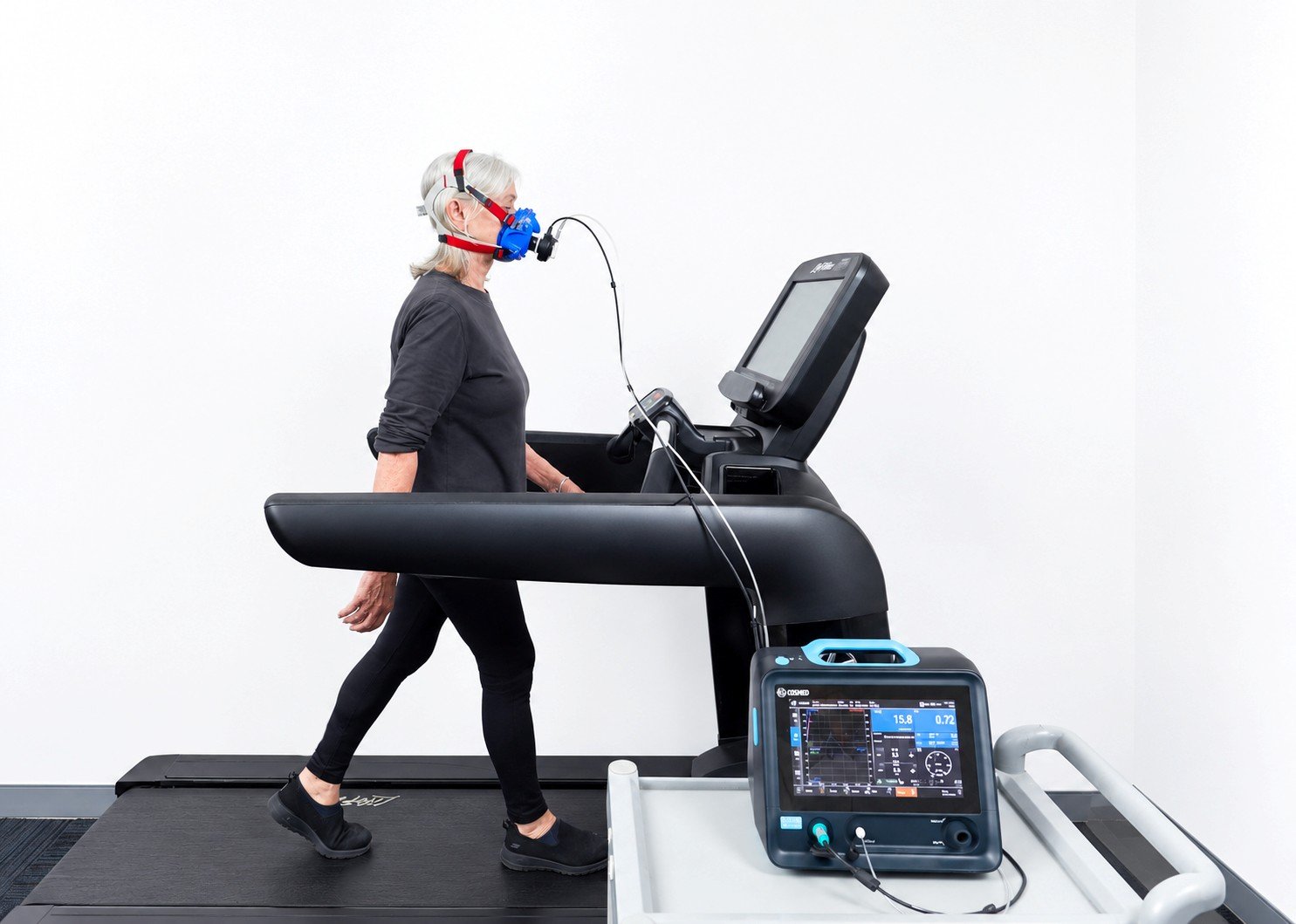
Know your VO₂max. A VO₂max test sets your starting fitness and your personal heart-rate training zones, so every session is aimed at the right intensity rather than a guess.
Lift heavy, and add impact. Bone responds to load. Australian research from Griffith University (the LIFTMOR trial) showed supervised, progressive high-intensity resistance and impact training improved bone density in postmenopausal women with low bone mass. Walking alone does not load the skeleton enough. Aim for at least two strength sessions a week, building gradually under guidance.
Eat enough protein, calcium and vitamin D. Muscle can't be built or kept without adequate protein, spread across the day. Healthy Bones Australia recommends 1,000 mg of calcium a day, rising to 1,300 mg for women over 50, mainly from food, plus safe sun exposure or supplements for vitamin D. A dietitian can tailor this to you.
Talk to your GP about menopausal hormone therapy (MHT). MHT is the most effective treatment for hot flushes and night sweats, and it also reduces bone loss. Whether it suits you depends on your age, symptoms and personal risks: it is an individual decision to make with your doctor.
Protect your sleep and limit alcohol. Poor sleep and regular drinking both make fat gain, low mood and muscle loss harder to manage. Smoking speeds up bone loss.
After menopause: the essential steps
After menopause, the goal shifts from prevention to measuring, tracking and correcting. Bone loss slows after the first couple of years but does not stop, and muscle keeps declining without a reason to stay.
Repeat your DEXA scan about 12 months after your final period. This shows how much bone and muscle you lost through the transition and whether visceral fat has climbed. Your result then sets how often to re-scan: more often if you are losing quickly, starting treatment or changing your program.
Track visceral fat, not just weight. Visceral fat can rise while the scales stay still. DEXA measures it directly, so you can see whether training and diet changes are actually shifting it.
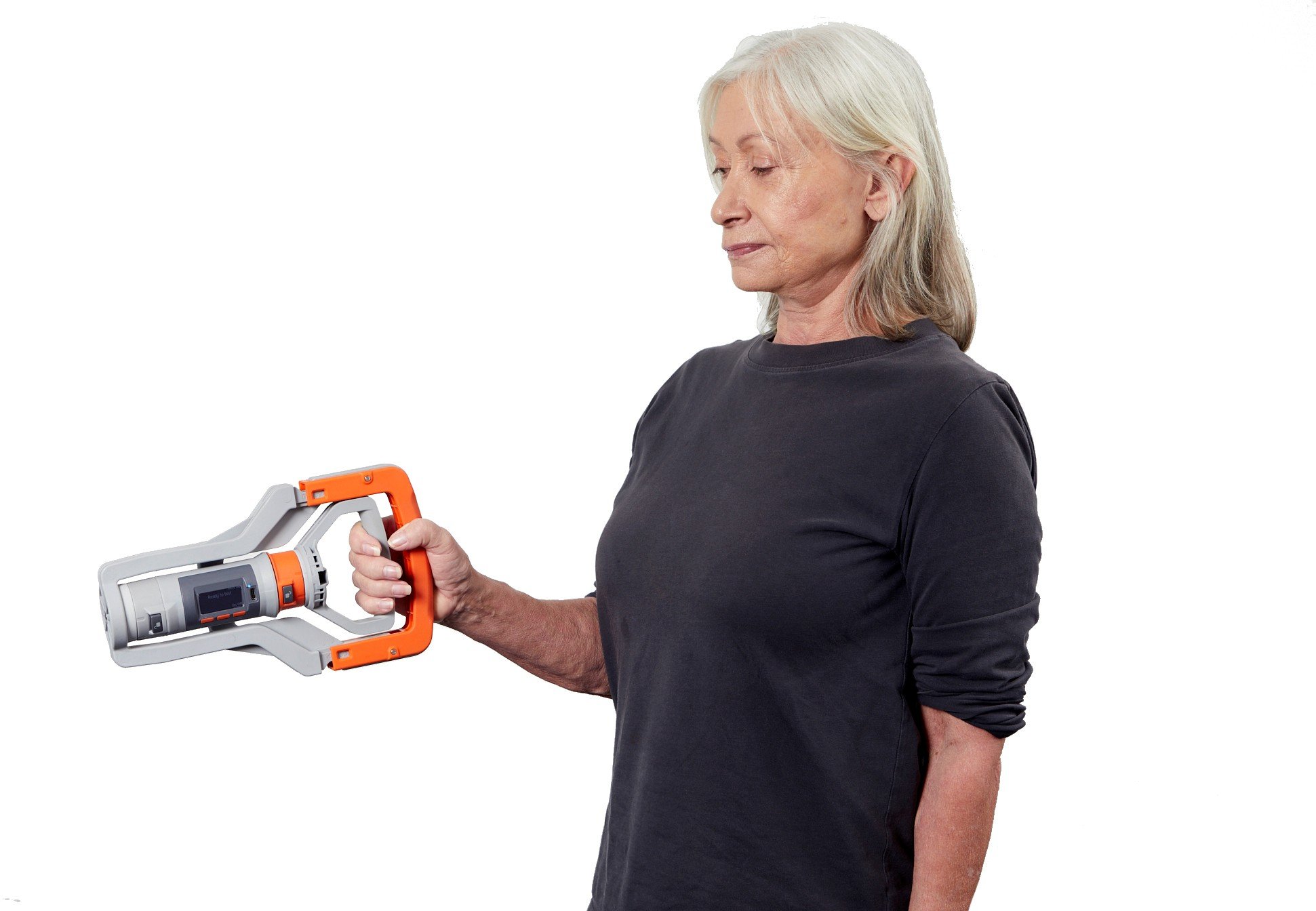
Keep building strength, especially in the legs and hips. Leg strength and power protect against falls, and falls cause most hip fractures. Strength testing against age-matched norms shows exactly where you are weak.
Train your VO₂max. Combine plenty of steady aerobic work in your lower zones with short, hard intervals once or twice a week. A retest after 12 weeks shows what has changed.
Add balance work. Single-leg exercises, step-ups and controlled changes of direction lower falls risk.
Act on a low result. If your bone density shows osteopenia or osteoporosis, see your GP. Medication may be appropriate, and it works best combined with targeted strength and impact training.
What to watch out for
Some changes around menopause are quiet; others need prompt medical attention.
Quiet changes worth checking
Your waist is growing even though your weight hasn't changed
You have lost height, or your posture is becoming more stooped
Everyday tasks feel harder: stairs, carrying shopping, getting up from the floor
You broke a bone from a minor fall, from standing height or less
A parent had osteoporosis or a hip fracture
You had an early menopause (before 45), long gaps without periods, or an eating disorder in the past
You take medicines that affect bone, such as long-term steroids, aromatase inhibitors or some anti-epileptics
See your GP promptly if you have
Any vaginal bleeding after menopause (12 months or more after your last period)
Very heavy or prolonged periods, or bleeding between periods, during perimenopause
Chest pain, or a racing or irregular heartbeat with dizziness or breathlessness
Drenching night sweats with unexplained weight loss or fever
Sudden new back pain, especially after a minor strain or none at all, which can signal a vertebral fracture
Low mood that lasts more than two weeks, or any thoughts of self-harm
If you feel unwell, short of breath or have chest pain right now, call 000.
Is it menopause, or something else?
Many menopause symptoms overlap with other common, treatable conditions. New symptoms in your 40s and 50s deserve a proper check rather than an assumption that it's "just menopause". These are the main alternatives your GP will consider.
Hot flushes and night sweats: overactive thyroid; infection (including TB); lymphoma and other cancers; medicines such as SSRI/SNRI antidepressants, tamoxifen, aromatase inhibitors and opioids; alcohol; rarely carcinoid syndrome or phaeochromocytoma. Usual first checks: history, thyroid function (TSH), full blood count.
Irregular or heavy bleeding: pregnancy; fibroids, polyps or adenomyosis; endometrial thickening or cancer; thyroid disease; bleeding disorders or blood thinners. Usual first checks: pregnancy test, pelvic ultrasound, full blood count and iron studies.
Tiredness and low energy: iron deficiency or anaemia (common with heavy periods); underactive thyroid; low vitamin B12 or D; sleep apnoea; depression; diabetes; coeliac disease. Usual first checks: full blood count, ferritin, TSH, B12, vitamin D, HbA1c.
Brain fog and poor memory: poor sleep; depression or anxiety; underactive thyroid; low B12; side effects of medicines; sleep apnoea. Usual first checks: sleep and mood screen, TSH, B12, medicine review.
Low mood, anxiety, irritability: depression or anxiety disorder; thyroid disease; premenstrual dysphoric disorder. Usual first checks: mood screening, TSH.
Palpitations: overactive thyroid; heart rhythm problems such as atrial fibrillation; anaemia; caffeine or alcohol; anxiety. Usual first checks: ECG, TSH, full blood count.
Weight gain around the middle: underactive thyroid; insulin resistance or type 2 diabetes; medicines such as some antidepressants, antipsychotics and steroids; rarely Cushing's syndrome. Usual first checks: TSH, HbA1c or glucose, DEXA for visceral fat.
Joint and muscle aches: osteoarthritis; rheumatoid or other inflammatory arthritis; polymyalgia rheumatica (morning stiffness in shoulders and hips, over 50); low vitamin D; statin side effects; aromatase inhibitors. Usual first checks: examination, inflammatory markers (ESR, CRP), vitamin D.
Poor sleep: obstructive sleep apnoea (more common after menopause); restless legs (often iron deficiency); depression; night-time urination. Usual first checks: sleep history, ferritin, sleep study if snoring or daytime sleepiness.
Urinary urgency, vaginal dryness or discomfort: urinary tract infection; diabetes; overactive bladder; pelvic organ prolapse; skin conditions such as lichen sclerosus. Usual first checks: urine test, glucose, pelvic examination.
Two more points. Blood hormone levels (FSH and oestradiol) swing widely in perimenopause, so a single test usually can't confirm or rule it out in women over 45: diagnosis is mostly based on age and symptoms. And pregnancy is still possible, so contraception is generally advised until 12 months after your last period if you're over 50, or two years if you're under 50.
Which test is right for you? Book online
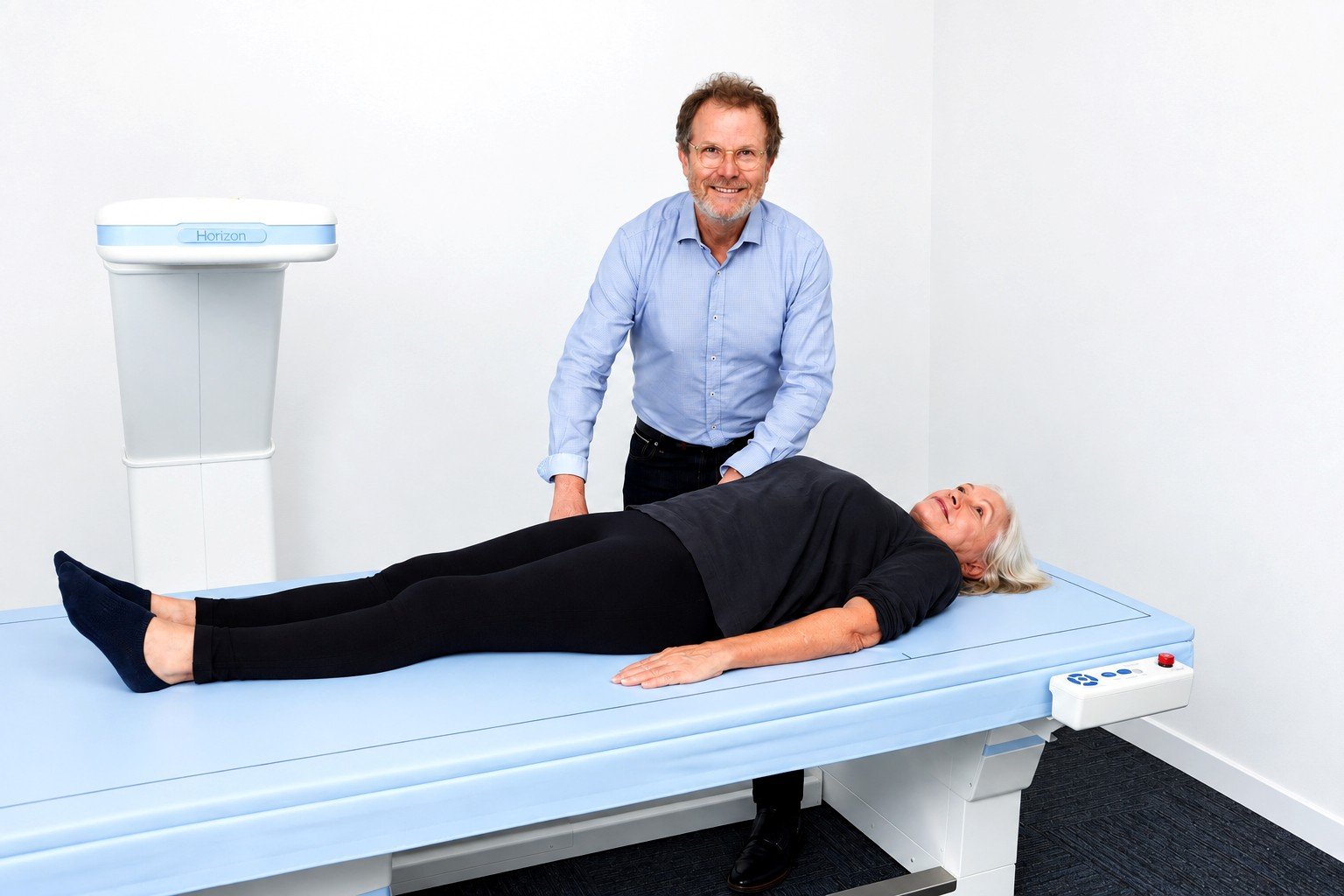
All tests are done at our Leichhardt clinic using a Hologic Horizon DEXA scanner and full cardiopulmonary exercise testing, and every test includes a consultation and a written interpretation report.
DEXA bone density scan — 30 min, $175
Measures bone density (T-score and Z-score) at your spine and hips. Best for peri- and postmenopausal women, anyone with a family history of osteoporosis, or a previous fracture.
Book a DEXA bone density scan →
DEXA body composition scan — 30 min, $175
Measures muscle, fat, visceral fat and bone, region by region. Best for tracking muscle loss and belly fat, weight-loss or GLP-1 medication, or a new training program.
Book a DEXA body composition scan →
VO₂max test — 60 min, $400
Measures your VO₂max, five heart-rate training zones and how you burn fat and carbohydrate. Best for setting a fitness baseline and training at the right intensity.
Combined VO₂max test and DEXA scan — 90 min, $575
The full picture: what your body is made of and what it can do. The most complete starting point before any health or fitness program.
Book the combined VO₂max test and DEXA scan →
If you already have low bone density or osteoporosis, our 9-month Bone Density Screening and Strength Program combines bone and muscle scanning, strength testing, a personalised strength program and use of our clinic gym.
Inner West Allied Health & Specialist Centre, 5/267–277 Norton Street, Leichhardt NSW. Phone 02 9518 3400.
About the author
Anton Sostaric (B.Physio, MAPA, GAICD) is a physiotherapist with 33 years' experience and has conducted over 2,400 DEXA scans, analyses and consultations at Inner West Allied Health & Specialist Centre in Leichhardt. His special interests include metabolic and exercise testing and bone and muscle health through and after menopause.
This article is general information only and does not replace individual medical advice. Talk to your GP about your own symptoms, risks and treatment options.